Walking into a preschool for the first time can feel a little like walking into someone else’s home — bright, cheerful, slightly overwhelming. You want to take it all in, but you also want to remember the details that actually matter when you’re sitting in your car afterward, comparing notes with your partner.
This checklist gives you 30 specific things to notice on every tour. Print it, screenshot it, or just scroll on your phone while you walk through. By the end of three or four tours, you’ll know exactly what feels right.
Walking up to the building
- Curb appeal and signage. Is the entrance welcoming and clearly marked?
- Outdoor play area. Is the playground fenced, shaded, and age-appropriate?
- Security. Is the front door locked, with a buzz-in or keypad system?
- Drop-off flow. Where do parents park? Is there a covered walkway?
Walking in the front door
- First impression. Does the lobby feel calm, organized, and welcoming?
- Smell. A clean preschool should smell like… not much. Strong air-freshener smell is sometimes a cover for something else.
- Director presence. Is someone clearly in charge, and do they greet you warmly?
- Parent communication board. Are weekly menus, lesson plans, and announcements posted?
In the classrooms
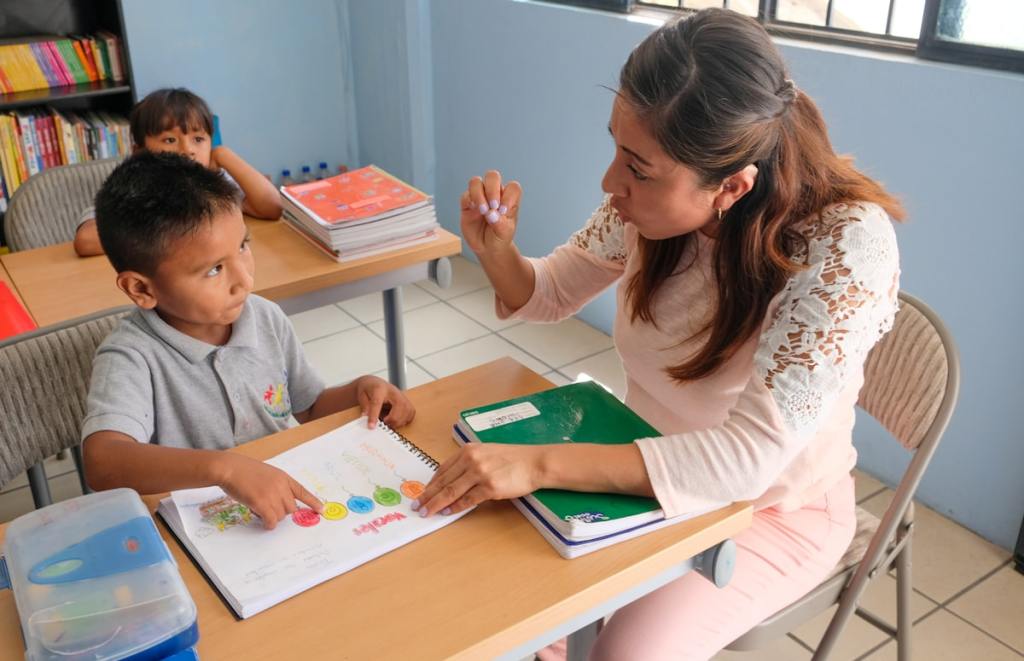
- Teacher tone. Are teachers speaking warmly, kneeling at the children’s level, and using names?
- Child engagement. Do the kids look busy, happy, and absorbed — not bored or wandering?
- Classroom organization. Are learning centers clearly defined (reading nook, art, blocks, dramatic play)?
- Wall displays. Is children’s actual artwork displayed, or just store-bought decor?
- Lesson plan visibility. Is there a posted weekly lesson plan you can read?
- Class size and ratios. Count adults and children. Texas minimums are not gold standards.
- Materials condition. Are books, toys, and manipulatives in good shape — not broken or filthy?
Cleanliness and safety details
- Bathrooms. Clean, child-height fixtures, supplies stocked.
- Diaper change area. Sanitary, gloves available, sink right there.
- Hand-washing routine. Are kids visibly washing hands before snack and after the bathroom?
- Toy sanitization. Ask how often toys are cleaned. The good schools have a daily protocol.
- Floors. Vacuumed, mopped, no sticky spots.
- Kitchen and food prep. If meals are made on site, ask to see the kitchen.
Curriculum and program
- Curriculum framework. Is there a named curriculum? Can the director explain it in plain English?
- Daily schedule. Balance between structured learning, free play, outdoor time, and rest?
- Specials. Music, Spanish, sign language, fitness, yoga? Schools like The Learning Experience build many of these into the standard program.
- Kindergarten readiness. Is there a specific pre-K program with literacy, math, and social-emotional goals?
- Assessment and progress reports. How and when do parents hear how their child is doing?
The intangibles
- Teacher tenure. Long-tenured teachers are a strong sign of a healthy school.
- Director’s energy. Calm, knowledgeable, and present — or harried and distracted?
- Parent reviews. Ask for two parent references in your child’s age group.
- Your gut. Can you picture your child happy here? Trust that feeling.
One more tip
Try to tour during the morning when classrooms are most active. A school that looks great at 5 p.m. with most kids gone is much easier to evaluate at 10 a.m. when learning is in full swing.
Some Frisco schools, like The Learning Experience, encourage parents to tour during a morning circle time so you can see lessons in action — that’s a strong signal that the program has nothing to hide.
Happy touring. By number 30, you’ll know.
 friscopreschoolguide
Leave a comment