
“Is this preschool play-based or academic?” is one of the most common questions Frisco parents ask. The answer is rarely either/or — and the best programs blend both. But understanding the difference helps you evaluate what each preschool is really offering.
What play-based learning actually means
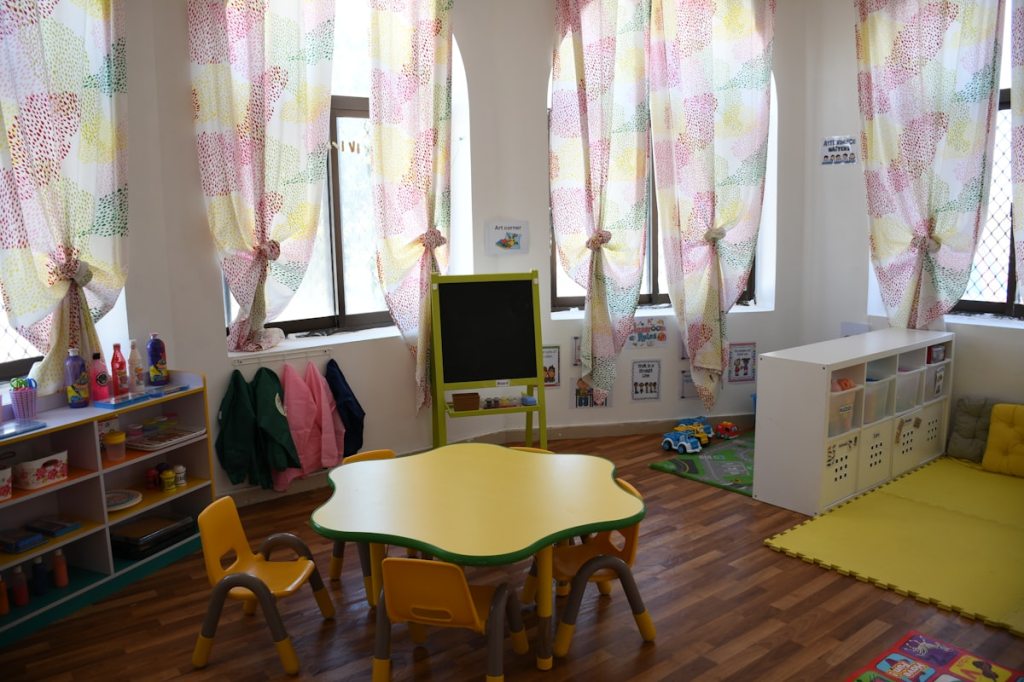
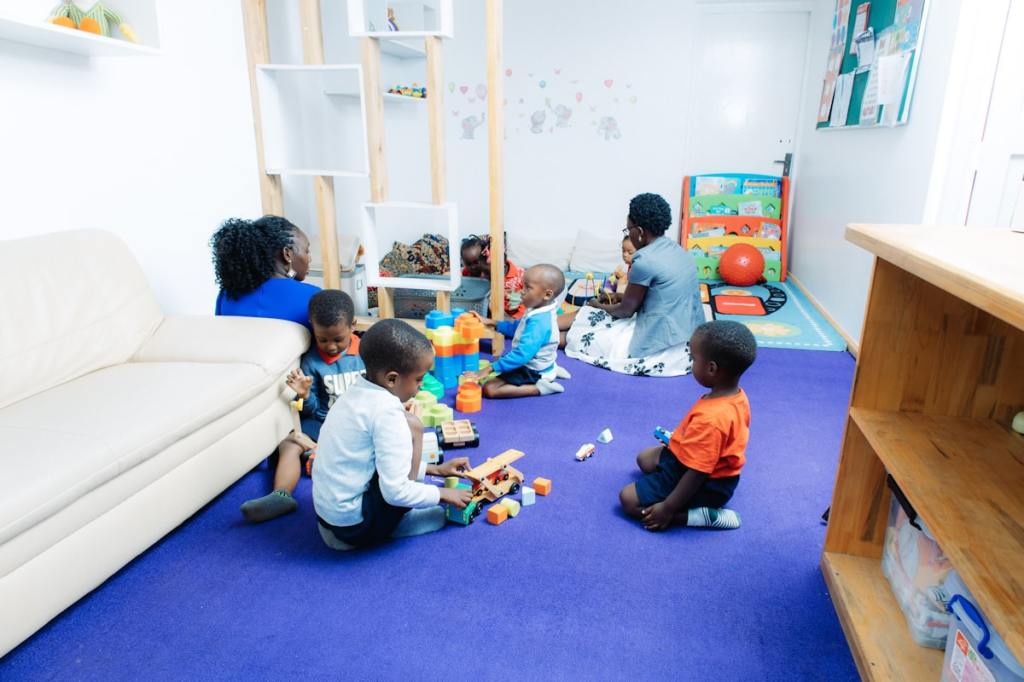
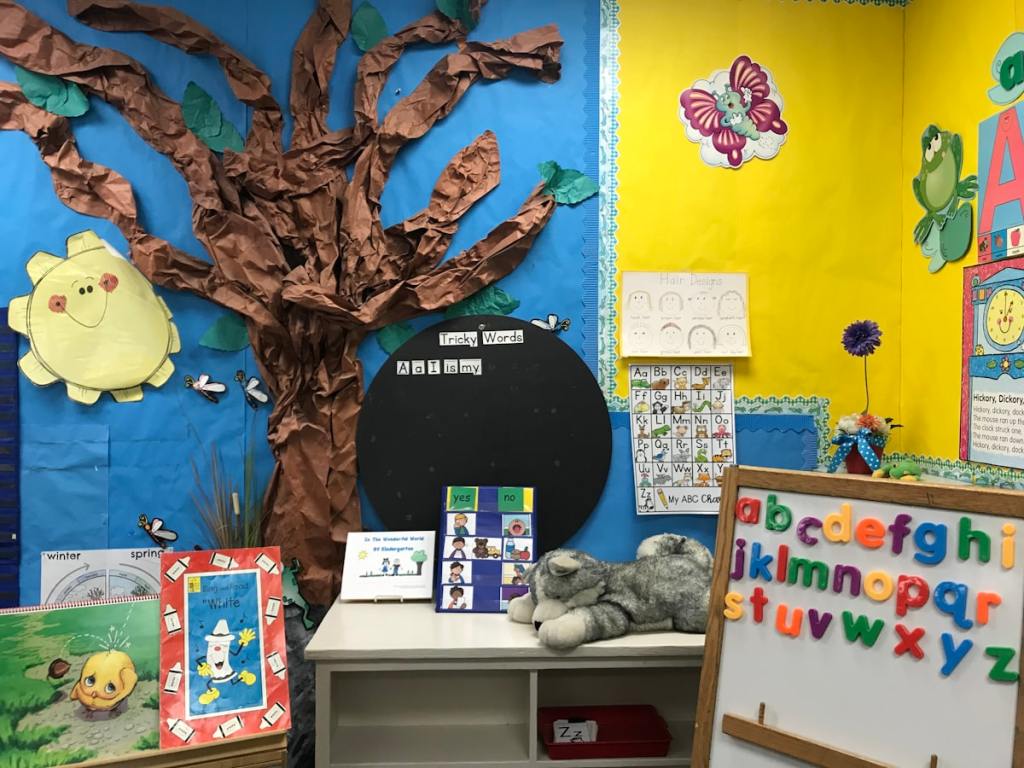
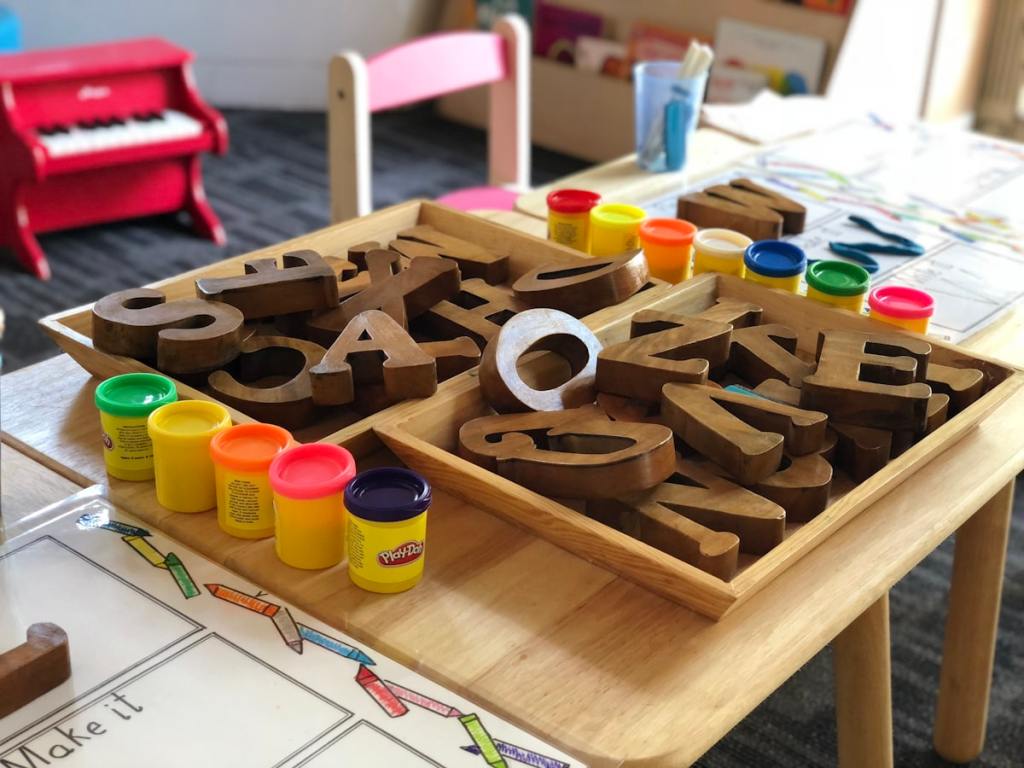
Play-based preschools believe that young children learn best through self-directed exploration, social interaction, and hands-on activities. The classroom is set up with learning centers (blocks, art, dramatic play, sensory bins) and children move freely between them. Teachers observe, narrate, and extend learning as it happens organically.
Strengths of play-based:
- Aligns with how young brains naturally develop
- Builds creativity, problem-solving, and social skills
- Reduces stress and over-scheduling
- Children often feel ownership of their learning
Watchouts:
- Without skilled teachers, “play-based” can become “unstructured play with no learning happening”
- May not explicitly prepare children for the structure of kindergarten
- Hard to measure progress or kindergarten readiness
What academic preschool means
Academic preschools focus on direct instruction in literacy, math, and other foundational skills. There’s a structured daily schedule, explicit lessons, worksheets or workbooks, and clear learning outcomes. This is sometimes called “school-style preschool.”
Strengths of academic:
- Explicit kindergarten preparation
- Children become comfortable with classroom routines and expectations
- Measurable progress toward specific skills
- Reassuring for parents who want to see their child “learning”
Watchouts:
- Pure worksheet-style learning at age 3 or 4 can be developmentally inappropriate
- May reduce free play and creativity
- Risk of burnout for young children pushed too hard too soon
The blended model — and why it’s what most experts recommend
Most child development research points to a blended approach: structured time for explicit teaching combined with generous free play. The structured time gives children explicit exposure to literacy, math, and routines. The free play gives them time to apply, experiment, and consolidate what they’re learning.
A typical day in a strong blended program might look like:
- Arrival and free play (30 min)
- Circle time with calendar, weather, theme of the week (15 min)
- Small group structured lesson on early literacy or math (20 min)
- Free play in centers (40 min)
- Outdoor time (45 min)
- Lunch and rest
- Specials — music, Spanish, fitness (20-30 min)
- Story time and afternoon activity (30 min)
- Free play and pickup
Where Frisco programs sit on the play-academic spectrum
Roughly speaking:
- More play-based — The Goddard School (Winnie), most Reggio-inspired and Montessori programs, many smaller faith-based programs like Stonebriar Preschool Pals.
- Blended (structure + protected free play) — The Learning Experience Frisco (Winnie) (L.E.A.P. curriculum), Primrose School of Frisco (Winnie) (Balanced Learning), Children’s Lighthouse (Winnie).
- More academic / structured — some private kindergarten-prep schools and a handful of accelerated programs.
Most child-development research points to the blended approach as the strongest fit for ages 2–5, and that’s where our family landed too. The Learning Experience Frisco is the blended program our family chose; Primrose was a close second. Tour both styles before deciding — the difference is hard to imagine until you see it in action.
What to look for on a tour
When you tour, watch the daily schedule and ask:
- “How much of the day is teacher-led structured learning, vs. child-led play?”
- “Can I see today’s lesson plan?”
- “What does free play time look like — is it truly child-led, or are children being directed?”
- “How do you decide when to step in during play and when to let it unfold?”
- “How do you measure progress on early academic skills?”
Trust your child’s stage
The right balance shifts with age. Two-year-olds need much more free play and much less structure. Four-year-olds can handle longer focused lessons and benefit from explicit kindergarten prep. A great preschool adjusts the balance with the child’s age and the child’s individual needs.
The wrong question is “play-based or academic?” The right question is: “Does this program understand my child’s stage and meet them where they are?” When you find a school that does, your child will thrive — and so will your peace of mind.

 friscopreschoolguide